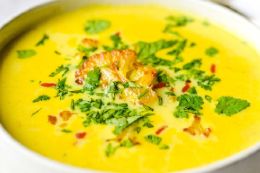
Infused Coconut Curry
A delightful fusion of aromatic spices, creamy coconut, and infused cannabis. Elevate your senses with tender veggies and protein in a dish that's truly unforgettable.
This cannabis infused coconut curry recipe uses infused olive oil to elevate a satisfying main course into a full edible experience. Main dishes offer the most natural way to incorporate cannabis into a complete meal because the fats and sauces in entrees bind and distribute THC seamlessly. Enjoy a properly dosed dinner in the comfort of your home. Fragrant cannabis coconut curry simmers vegetables and protein in an infused coconut milk sauce rich with spices and aromatics.
- 2 tbsp cannabis-infused coconut oil
- 1 onion, finely chopped
- 3 cloves garlic, minced
- 1 tablespoon grated fresh ginger
- 2 tablespoons curry powder
- 1 can (14 ounces) coconut milk
- 1 cup vegetable broth
- 1 cup diced potatoes
- 2 carrots, sliced
- 1 red bell pepper, sliced
- 1 cup cauliflower florets
- Salt and pepper to taste
- Fresh cilantro for garnish
- In a large skillet or pot, heat the cannabis-infused coconut oil over medium heat.
- Add the chopped onion, minced garlic, and grated ginger. Sauté until the onion becomes translucent and the garlic is fragrant.
- Stir in the curry powder and cook for an additional minute to toast the spices.
- Pour in the coconut milk and vegetable broth. Stir well to combine.
- Add the diced potatoes, sliced carrots, red bell pepper, and cauliflower florets to the pot. Season with salt and pepper to taste.
- Cover the pot and simmer for 15-20 minutes, or until the vegetables are tender.
- Serve the cannabis-infused coconut curry over cooked rice or with naan bread. Garnish with fresh cilantro.
Dosing Tips for Your Infused Coconut Curry
- Add infused olive oil to the sauce, glaze, or finish of your main dish rather than to the main cooking fat to avoid high-heat degradation.
- Plate individually and add a measured amount of cannabis finishing sauce to each plate for precise dosing.
- Full meals slow digestion, so expect onset in 60-120 minutes. The effects may last longer than lighter edibles.
- Keep the per-serving dose at 5-10 mg since the large volume of food will already cause a slow, steady release of THC.
- Stir the infused coconut oil into the curry at the end of cooking and serve over measured portions of rice.
Common Mistakes to Avoid
- Adding cannabis fat to the pan for searing or sauteing at high heat destroys a large percentage of the THC. Reserve it for finishing.
- Not accounting for the number of servings when calculating dose. A recipe that serves four needs four times the single-dose amount.
- Making the entire dish cannabis-infused so that leftovers pile up. Consider infusing only the sauce or topping so you can control each serving.
- Pairing with heavy alcohol consumption. Cannabis and alcohol intensify each other, especially with a full meal slowing digestion.
How to Store Infused Coconut Curry
- Store cannabis main dish leftovers just as you would the non-infused version. Refrigerate within 2 hours and consume within 3-4 days.
- Label all leftovers clearly with the cannabis dose per serving so reheated portions are consumed safely.
- Most cannabis sauces and glazes freeze well separately, giving you the option to infuse future meals without recooking.
- Refrigerate in airtight containers for up to 3 days; curry flavor actually improves overnight as the spices meld.
Variations & Ideas
- Make a cannabis compound butter with herbs and garlic, then melt a pat over grilled steak, chicken, or fish as a finishing touch.
- Drizzle cannabis-infused olive oil over a finished pizza, flatbread, or grilled vegetables for easy infusion.
- Stir infused olive oil into a pan sauce or gravy at the last moment for a rich, potent accompaniment to any protein.
- Add a tablespoon of red curry paste and a squeeze of lime for a Thai-inspired version with more heat.
Frequently Asked Questions
You can baste meat at lower temperatures, but do not use cannabis butter as the primary searing fat. Searing temperatures of 400 F+ (200 C+) will degrade THC. Instead, sear with regular fat and finish with cannabis butter basted over the meat at lower heat.
Not if you use well-strained infusion and pair it with flavorful sauces. Garlic, herbs, spices, cheese, and acidic components like tomatoes or wine all mask the herbal taste. Cannabis butter as a finishing element adds richness without dominating.
The safest approach is to infuse only one course with a known dose and keep everything else cannabis-free. A cannabis appetizer dip or infused dessert is easier to control than an infused main course for multiple guests with different tolerances.
A full meal slows digestion and can delay onset, making it feel weaker initially. However, the total THC absorbed is the same. The experience will be more gradual and often longer-lasting. Eating on a completely empty stomach produces faster, more intense but shorter effects.
Add it near the end. Slow cookers on low run at about 190 F (88 C), which is safe for THC, but hours of exposure can still degrade some cannabinoids. Stir the cannabis fat in during the last 30 minutes of cooking for the best potency retention.
Positive Effects
Negative Effects
You may or may not feel all the effects listed*