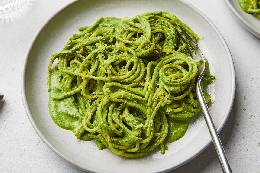
Infused Pesto Pasta
Perfectly cooked spirals coated in aromatic basil pesto, crowned with a delicate sprinkle of Parmesan heaven.
This cannabis infused pesto pasta recipe incorporates cannabutter into a hearty, satisfying meal that is perfect for a relaxing lunch or dinner at home. Pasta and rice dishes are ideal for cannabis cooking because the starchy, savory flavors absorb and complement the infused fat beautifully. This is comfort food elevated to a whole new level. Cannabis pesto pasta coats al dente noodles in a vibrant basil-and-infused-olive-oil sauce that tastes remarkably close to the classic.
- 2 cups fresh basil leaves
- 1/2 cup pine nuts
- 1/2 cup grated Parmesan cheese
- 2 cloves garlic, minced
- 1/2 cup infused olive oil
- Salt and pepper to taste
- 1 pound pasta (e.g., spaghetti, penne, or fusilli)
- Grated Parmesan cheese for garnish
- In a food processor, combine the fresh basil leaves, pine nuts, grated Parmesan cheese, and minced garlic.
- Pulse the mixture until it forms a coarse paste.
- With the food processor running, slowly drizzle in the cannabis-infused olive oil until the pesto becomes smooth and well combined.
- Season the pesto with salt and pepper to taste. Adjust the seasoning as needed.
- Cook the pasta according to the package list-group-items until al dente.
- Drain the cooked pasta, reserving a small amount of the cooking water.
- In a large mixing bowl, toss the cooked pasta with the cannabis-infused pesto. If needed, add a splash of the reserved cooking water to loosen the sauce.
- Serve the cannabis-infused pesto pasta with a sprinkle of grated Parmesan cheese on top.
- Enjoy the flavorful and cannabis-infused pasta dish!
Dosing Tips for Your Infused Pesto Pasta
- Add cannabutter to the sauce or finish rather than the cooking water so none of the THC is discarded when you drain the pasta.
- Calculate your dose per plate, not per pot. Divide the total THC in your cannabutter by the number of servings.
- Toss the finished dish thoroughly to distribute the cannabis fat evenly across all portions.
- A typical lunch portion should be 5-10 mg. These are filling meals, so effects may take longer to onset, around 60-90 minutes.
- Mix the infused olive oil into the pesto at the end and toss with weighed pasta portions for consistent dosing per plate.
Common Mistakes to Avoid
- Adding cannabis oil to boiling pasta water wastes it since most goes down the drain. Stir it into the sauce or drizzle after plating.
- Overheating sauces with cannabis fat for extended periods on high heat degrades THC. Add the infused fat at the end, off the heat.
- Making a large batch without tracking portions can lead to some servings having more sauce and therefore more THC than others.
- Using cannabis olive oil for high-heat searing. Save the infused oil for finishing and drizzling after cooking.
How to Store Infused Pesto Pasta
- Store leftover cannabis pasta or rice dishes in airtight containers in the fridge for up to 3 days. The starch absorbs the fat, keeping potency stable.
- Reheat gently on the stovetop over low heat or in the microwave at medium power to preserve THC.
- Freeze portions in labeled containers for up to 2 months. Pasta sauces with cannabis fat freeze especially well.
- Refrigerate dressed pasta for up to 2 days; toss with a splash of olive oil when reheating to restore moisture.
Variations & Ideas
- Make cannabis pesto by blending cannabutter with basil, pine nuts, garlic, and parmesan for an easy, potent pasta sauce.
- Stir cannabis coconut oil into a Thai curry sauce and serve over rice for an aromatic infused meal.
- Finish risotto with a tablespoon of cannabutter stirred in at the very end for a creamy, perfectly dosed dish.
- Use sun-dried tomato pesto instead of traditional basil for a richer, tangier sauce with deeper umami notes.
Frequently Asked Questions
Gentle simmering at normal sauce temperatures of around 200 F (93 C) is safe for THC. The key is to add your cannabutter during the last few minutes or after removing from heat. Avoid rapid boiling with the cannabis fat already in the sauce.
In well-seasoned pasta sauces with garlic, herbs, cheese, or tomatoes, the cannabis flavor is usually undetectable. The bold flavors of Italian and Asian sauces mask the herbal notes beautifully. This is one reason savory dishes are great for edibles.
Both work well. Cannabis butter is ideal for cream-based sauces and finishing dishes. Cannabis olive oil suits aglio e olio, pesto, and tomato-based sauces. Choose based on the flavor profile of your dish.
Full meals with carbohydrates and fat typically take 60-120 minutes for full effect. The starch slows digestion, which means a slower, more gradual onset but often a longer duration. Eat a moderate portion and wait before having seconds.
Yes, but add the cannabis oil at the end. Stir-fry with regular oil over high heat, then reduce heat and drizzle in cannabutter at the very end. Toss thoroughly and serve immediately. This preserves potency while giving you the high-heat sear that fried rice needs.
Positive Effects
Negative Effects
You may or may not feel all the effects listed*